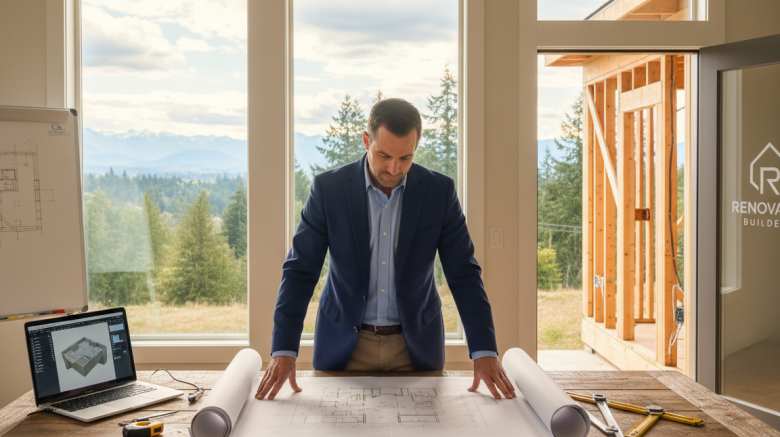
Nearly 40% of MD homeowners indicate a wish to expand their square footage, underscoring a notable need for residential expansions in Charm City. This preference implies that a large number of families are looking to upgrade their houses instead of necessarily move.
Find out more about home addition construction in Baltimore MD
The team at Earth-Bound Building specializes in converting these dreams into reality. They specialize in building home additions, with a focus on kitchen expansions, designing master suites, and enhancing the connection between indoors and outdoors. Their focus on craftsmanship ensures that every addition satisfies comfortably durability and code compliance standards.
As veteran remodeling experts in the area, the firm follows a meticulous workflow. This involves a first meeting, concept development, thorough planning, construction, and a final walkthrough. This organized method ensures a clear understanding of the project’s progression from day one to its completion.
Numerous expansion projects in Baltimore are motivated by real requirements, like housing extended family, boosting sunlight, or updating kitchens and bathrooms. The contractor verifies that architectural decisions meet zoning laws. This alignment is vital for keeping project timelines and costs in check.
For anyone thinking about home additions in Baltimore, a meeting with the Earth-Bound team can provide priceless insights. They will explain the available options, projected schedules, and the required actions for a smooth project.

Selecting Earth-bound Building For Your Baltimore Home Expansion
Earth-Bound Building combines regional knowledge with a practical methodology, earning homeowner trust. The business maintains a strong standing, driven by successful projects like upper-level expansions, sun-filled rooms, in-law suites, and basement expansions. A showcase of past work and client testimonials illustrates the tangible outcomes of their local construction history.
Area Knowledge And Proven Results
Partnering with established regional contractors like Lynch and E&R, Earth-Bound Building leverages vast local experience. This knowledge ensures smoother permit processing, precise pricing, and minimizes on-site surprises. The company’s track record in Baltimore is visible through its project galleries and the feedback of satisfied clients, who praise the punctuality and the quality of construction.
Integrated Design And Build Method
Adopting a design-build strategy in this market, the builder integrates design and construction under one roof. Customers collaborate with designers and interior designers in the initial stages. The same group manages the project’s progression, from detailed drawings to construction management, guaranteeing ongoing client participation through frequent communication.
Legal Compliance, Licensing, And Insurance
Every project follows MD state codes and local regulations for plumbing, electrical, and structural aspects. Earth-Bound Building carries the mandatory trade licenses and liability coverage, actively managing application filings and inspections. This strict following to laws prevents delays and protects the client’s money.
Ongoing Support, Communication, And Guarantees
Via transparent dialogue and regular updates, jobs remain on track and within budget. The company provides a final walkthrough, resolves all punch list items, and provides standard warranty support. These promises reinforce Earth-Bound Building’ name for dependable, client-focused construction services.
Constructing Home Additions In The Baltimore Area
The cornerstone of a smooth expansion job lies in clear choices and a feasible timeline. In the city, residents frequently opt for additions that improve square footage and market value, while also fitting the neighborhood look. This section delves into prevalent addition styles, outlines local rules for approvals and inspections, and sets clear goals for the building schedule in Baltimore.
Summary Of Common Baltimore Home Expansions
Typical builds in the area cover second-story expansions, master suite enlargements, solariums, and enhancements for seamless inside-outside flow. Homeowners additionally choose in-law suites for extended family living, cellar remodels for extra room, or ADUs (ADUs) for rental purposes or guest accommodations.
Kitchen and bathroom renovations often accompany these additions to enhance functionality and visual beauty. The design team focuses on plans that respect Baltimore’s architectural heritage while also meeting modern needs.
Permits, Inspections, And County-specific Regulations
The majority of jobs that modify pipes, electrical systems, or framing necessitate permits under the state code. Every jurisdiction applies the code with its unique set of filing and inspection protocols, leading to variations in the region’s permitting process for additions.
The company manages the permitting phase and coordinates inspections with inspectors from Baltimore City, the County, and Anne Arundel. Proactive management of filings and inspection scheduling aids to avoid delays and ensures projects move forward efficiently.
Project Schedules From Start To Finish
The typical phases involve an first meeting, preliminary design, thorough engineering, permitting, building, and final check. Minor expansions or glass rooms could wrap up in weeks to a few months.
Larger jobs, like second-story additions, guest houses, or full basement conversions, generally take many months. Approval durations are affected by the permit office volume and the detail of the plans, affecting the expected project schedule in the area.
Effective project management, transparent talk on-site, and strong ties with subcontractors are essential for keeping timelines. Utilizing tested scheduling tools and working with skilled locals can reduce setbacks and maintain quality standards.
Popular Home Addition Types For Baltimore Homes
Baltimore homeowners frequently look for additions that maximize living space and meet evolving lifestyles. Options range from vertical expansions to bright sun porches, handicap-friendly guest apartments, and remodeled cellars. Each option requires careful planning for structure, permits, and material durability in the Mid-Atlantic climate.
Adding a second floor let families expand living area without reducing outdoor space. These projects usually require structural reinforcement, stair additions, and upgrades to systems. A complete structural assessment and multiple permits are standard when pursuing second-story additions Baltimore.
Solarium projects deliver all-season sunlight and a stronger link to nature. Homeowners select high-performance glass, insulated roofs, and opening glass walls to match the local climate. Smart positioning and finishes make sunroom additions Baltimore pleasant for both relaxing and hosting guests.
In-law suite construction supports senior living and family sharing. Accessible design often includes level entrances, broad doors, and safe baths. Contractors who offer Baltimore in-law units can integrate private quarters whilst keeping the house looking unified.
Finishing a basement transform underused space into family rooms, offices, or rental units. Waterproofing, egress windows, and thermal protection are critical factors. Properly done Baltimore basement remodels offer flexible square footage that increases home value and daily comfort.
ADUs establish separate homes perfect for guests or rental income. Code review and distinct permits are often needed for Baltimore ADU projects. Proper soundproofing, split meters, and legal entries ensure ADU Baltimore investments feasible and rentable.
| Addition Type | Primary Benefits | Important Factors |
|---|---|---|
| Vertical expansion | Significant square footage gain; preserves yard | Structure, stairs, permits |
| Sunroom additions | Light, outdoor connection | Glazing performance, insulation, seasonal comfort |
| In-law suites | Accessibility, senior support | Barrier-free entries, ADA-aware bathrooms, privacy |
| Basement finishing | Expanded usable area, versatile functions | Waterproofing, egress, HVAC extension |
| Accessory units | Rental income, multigenerational housing | Zoning, permits, utilities |